Best Educational Toys for Kids 2025: Complete Child Development Guide by Age
The science of child development reveals that play is far more than entertainment—it’s the primary vehicle through which children learn, grow, and develop essential cognitive, social, and emotional skills. Educational toys, when chosen with developmental appropriateness in mind, become powerful tools that support natural learning processes and foster lifelong curiosity.
This comprehensive guide examines educational toys through the lens of proven developmental theories including Montessori, Waldorf, and Reggio Emilia approaches. More importantly, we’ll provide the scientific knowledge and developmental understanding needed to choose toys that truly support your child’s growth at every stage.
Why Developmentally Appropriate Toys Matter
- Brain Development: 90% of brain development occurs by age 5, making early toy choices critical for neural pathway formation
- Skill Foundation: Properly chosen toys build foundational skills that support academic success and emotional well-being
- Natural Learning: Children learn best through hands-on exploration and discovery, not passive consumption
- Confidence Building: Age-appropriate challenges build self-efficacy and resilience
- Joy in Learning: Well-designed educational toys maintain intrinsic motivation and curiosity
The Science of Child Development: Understanding How Children Learn
Montessori Method: Following the Child’s Natural Development
Dr. Maria Montessori’s scientific observations of children revealed universal developmental patterns that remain relevant today. Her method emphasizes:
Core Montessori Principles for Toy Selection
- Sensitive Periods: Windows of heightened learning ability for specific skills (language 0-6 years, order 2-4 years, movement 0-4 years)
- Prepared Environment: Toys should be beautiful, natural, and appropriately challenging
- Auto-Education: Toys with built-in control of error allow independent learning
- Practical Life: Real-world activities and tools scaled for children build independence and confidence
- Sensorial Development: Toys that isolate and refine sensory experiences support cognitive development
Montessori Material Characteristics
| Principle | Toy Characteristics | Developmental Benefit | Example Application |
|---|---|---|---|
| Isolation of Concept | One learning objective per toy | Clear understanding, no confusion | Color tablets teach only color |
| Control of Error | Self-correcting design | Independent learning, persistence | Puzzle pieces fit only one way |
| Natural Materials | Wood, metal, glass, fabric | Sensory development, connection to nature | Wooden blocks vs plastic alternatives |
| Beautiful Design | Aesthetically pleasing, proportioned | Respect for child, care for environment | Well-crafted wooden toys |
Waldorf Education: Imagination and Natural Development
Rudolf Steiner’s Waldorf approach emphasizes the importance of imagination, natural materials, and developmental timing:
Waldorf Developmental Stages
- 0-7 Years (Will): Learning through imitation and physical activity, emphasis on open-ended toys
- 7-14 Years (Feeling): Artistic and emotional development, structured learning begins
- 14-21 Years (Thinking): Abstract thinking and critical analysis development
Waldorf Toy Principles
- Simple Design: Allows child’s imagination to complete the picture
- Natural Materials: Wood, silk, wool connect children to natural world
- Open-Ended Play: Toys serve multiple purposes, evolve with child
- No Media: Screen-free childhood preserves imagination and attention
Reggio Emilia Approach: The Environment as Third Teacher
This Italian approach emphasizes the learning environment and documentation of children’s thinking:
- Emergent Curriculum: Toys and materials respond to children’s interests
- Project-Based Learning: Extended exploration of topics through various media
- Collaborative Construction: Social learning through peer interaction
- Documentation: Recording children’s thinking makes learning visible
Developmental Milestones and Toy Selection
Cognitive Development Stages (Piaget)
Sensorimotor Stage (0-2 years)
- Key Development: Learning through senses and motor actions
- Toy Focus: Sensory experiences, cause-and-effect, object permanence
- Avoid: Complex toys with multiple functions, small parts, overwhelming stimulation
Preoperational Stage (2-7 years)
- Key Development: Symbolic thinking, language expansion, egocentrism
- Toy Focus: Dramatic play, art materials, simple problem-solving
- Avoid: Abstract concepts requiring logical reasoning
Concrete Operational Stage (7-11 years)
- Key Development: Logical thinking about concrete objects and events
- Toy Focus: Strategy games, scientific experiments, complex construction
- Avoid: Purely abstract or hypothetical concepts
Motor Development Considerations
Fine Motor Skill Progression
| Age Range | Fine Motor Abilities | Appropriate Toy Features | Skills Developed |
|---|---|---|---|
| 0-6 months | Reflexive grasping, reaching | Large, lightweight objects | Hand-eye coordination |
| 6-12 months | Pincer grasp developing | Objects to transfer, bang, mouth | Bilateral coordination |
| 12-18 months | Precise pincer grasp | Containers to fill/dump, large beads | In-hand manipulation |
| 18 months-3 years | Tool use, drawing begins | Crayons, simple tools, puzzles | Tool use, pre-writing skills |
| 3-5 years | Mature grasp patterns | Scissors, threading, detailed construction | Writing readiness, precision |
Safety Considerations and Material Selection
Age-Appropriate Safety Guidelines
Choking Hazard Assessment
- Under 3 Years: No parts smaller than 1.25 inches diameter (toilet paper tube test)
- 3-5 Years: Supervision with small parts, understanding of safety rules
- 5+ Years: Responsible handling of small components
Material Safety and Quality
- Natural Materials: Untreated wood, organic cotton, pure wool preferred
- Non-Toxic Finishes: Water-based paints, natural oils, avoid VOCs
- Durability Testing: Toys should withstand intended use without breaking
- Age-Appropriate Complexity: Match toy complexity to developmental stage
Infants (0-12 months)
Sensory exploration and motor development toys for the first year
Developmental Focus Areas
- Sensory integration: Key developmental priority for this age group
- Motor skills: Key developmental priority for this age group
- Cause and effect: Key developmental priority for this age group
- Visual tracking: Key developmental priority for this age group
Infant Development Science (0-12 months)
The first year represents the most rapid period of brain development in human life. Toys for infants should support:
Sensory Integration Development
- Visual Development: High contrast patterns aid developing vision (birth-4 months)
- Tactile Exploration: Varied textures support neural pathway formation
- Auditory Processing: Simple sounds and music support language development
- Proprioceptive Awareness: Movement toys support spatial awareness
Motor Milestone Support
- 0-3 months: Visual tracking, reflexive grasping
- 3-6 months: Reaching, transferring objects hand-to-hand
- 6-9 months: Sitting, banging objects, early crawling
- 9-12 months: Pincer grasp, cruising, early walking
Montessori Insight: Infants absorb everything in their environment. Choose toys with natural materials and simple, beautiful designs.

Baby Toys 0-6-12 Months,Montessori Toys for babise 0-6-12-18…
Montessori-inspired design supporting natural development through beautiful, simple materials that engage infant curiosity.

Toyssa Montessori 6 in 1 Wooden Learning Educational Sensory…
Sensory exploration toy supporting neural development during critical first year. Aids tactile, visual, and auditory processing.

Starrykids Montessori Toys for Babies 0-6 Months, 6 in 1 Lea…
Montessori-inspired design supporting natural development through beautiful, simple materials that engage infant curiosity.

Baby Montessori Sensory Toys for 0-6 6-12 Months, Baby Teeth…
Sensory exploration toy supporting neural development during critical first year. Aids tactile, visual, and auditory processing.

URMYWO Black and White Baby Toys, Tummy Time High Contrast N…
Sensory exploration toy supporting neural development during critical first year. Aids tactile, visual, and auditory processing.

iPlay, iLearn 10pcs Baby Rattles Toys Set, Infant Grab Shake…
Sensory exploration toy supporting neural development during critical first year. Aids tactile, visual, and auditory processing.

YOGINGO Baby Toys 6 to 12 Months – Tissue Box Toy Montessori…
Sensory exploration toy supporting neural development during critical first year. Aids tactile, visual, and auditory processing.

Black and White High Contrast Toys for Baby 0-3 3-6 Months I…
Sensory exploration toy supporting neural development during critical first year. Aids tactile, visual, and auditory processing.
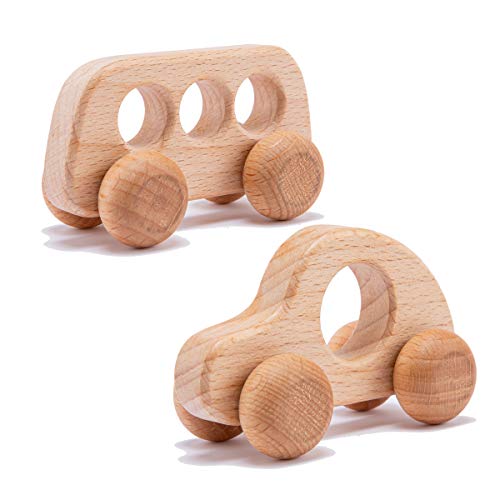
Promise Babe Organic Wooden Infant Push Toys Fine Motor Deve…
Sensory exploration toy supporting neural development during critical first year. Aids tactile, visual, and auditory processing.

Bright Starts Oball Easy-Grasp Rattle BPA-Free Infant Toy in…
Motor development toy supporting hand-eye coordination and fine motor skill progression essential for later learning.
Key Features:
- Smooth, flexible toy for newborns and up
Toddlers (12-24 months)
Independence-building toys supporting walking, language, and practical life skills
Developmental Focus Areas
- Gross motor skills: Key developmental priority for this age group
- Language development: Key developmental priority for this age group
- Independence: Key developmental priority for this age group
- Practical life: Key developmental priority for this age group
Toddler Development Science (12-24 months)
Toddlerhood marks the emergence of independence and language. Toys should support autonomy while ensuring safety:
Language Explosion Period
- Vocabulary Growth: From 50 words to 200+ words during this period
- Two-Word Combinations: Beginning of grammar development
- Receptive vs Expressive: Understanding exceeds speaking ability
- Social Communication: Joint attention and turn-taking emerge
Independence Development
- Practical Life Skills: Desire to do real work with real tools
- Self-Care Emergence: Interest in dressing, eating independently
- Environmental Mastery: Learning to navigate physical space safely
- Emotional Regulation: Beginning to manage big feelings
Waldorf Perspective: This age requires simple, open-ended toys that allow for repetitive practice and mastery.
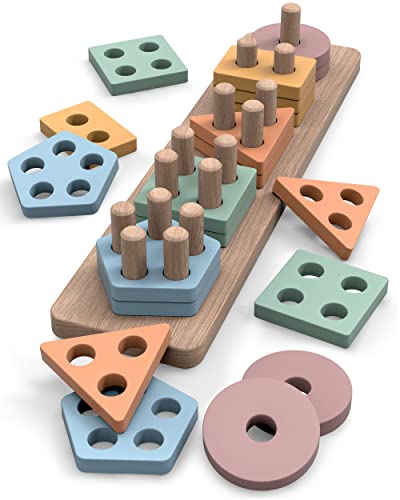
GOPO TOYS Montessori Toys for 1+ Year Old – Wooden Shape Sor…
Gross motor toy supporting physical development and spatial awareness as toddlers become mobile explorers.
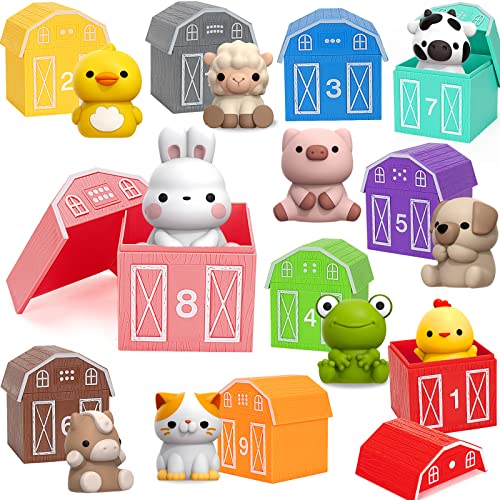
Learning Toys for 1,2,3 Year Old Toddlers, 20Pcs Farm Animal…
Gross motor toy supporting physical development and spatial awareness as toddlers become mobile explorers.

iPlay, iLearn 10 in 1 Baby Busy Board Cube, Montessori Senso…
Toddler development toy supporting emerging independence, language skills, and motor coordination.

Montessori Sensory Toys for Toddlers 1-3 – Travel Activities…
Toddler development toy supporting emerging independence, language skills, and motor coordination.

V-Opitos Montessori Toys for Toddler 1+ Year Old, Wooden Col…
Toddler development toy supporting emerging independence, language skills, and motor coordination.

Fisher-Price Baby Toy Laugh & Learn Smart Stages Learn with …
Toddler development toy supporting emerging independence, language skills, and motor coordination.

QDRAGON 3 in 1 Baby Walker and Activity Center for Girl, Lea…
Toddler development toy supporting emerging independence, language skills, and motor coordination.

2-in-1 Baby Push Walker – Wooden Push Walker and Tool Toy fo…
Toddler development toy supporting emerging independence, language skills, and motor coordination.
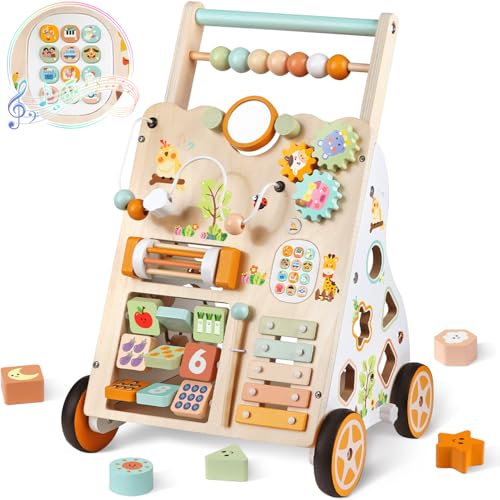
Baby Push Walker, Wooden Baby Walker with Wheels, Montessori…
Toddler development toy supporting emerging independence, language skills, and motor coordination.

MEROCO Montessori Practical Life Brushing Teeth Model and Ca…
Practical life toy fostering independence and real-world skills, core to Montessori toddler development.
Preschoolers (2-3 years)
Creative and cognitive development through imaginative play and problem-solving
Developmental Focus Areas
- Imaginative play: Key developmental priority for this age group
- Problem solving: Key developmental priority for this age group
- Social skills: Key developmental priority for this age group
- Creative expression: Key developmental priority for this age group
Early Preschool Development (2-3 years)
This period marks the emergence of symbolic thinking and dramatic play. Toys should nurture imagination while building skills:
Cognitive Leap Indicators
- Symbolic Representation: One object represents another in play
- Memory Development: Increased ability to remember and plan
- Problem-Solving: Trial-and-error learning becomes systematic
- Category Understanding: Sorting and classifying by attributes
Social-Emotional Growth
- Parallel Play: Playing alongside but not directly with others
- Emotional Vocabulary: Beginning to name and understand feelings
- Rule Understanding: Simple rules and routines provide security
- Empathy Development: Beginning to understand others’ perspectives
Reggio Emilia Insight: Document children’s play and thinking to understand their learning process and extend their interests.

Montessori Toys for 1 2 3 Year Old Boy Girl, Toys for Ages 2…
Problem-solving toy developing logical thinking and persistence while building confidence through achievable challenges.

wakeInsa Magnetic Color and Number Maze,Montessori Toy for 2…
Problem-solving toy developing logical thinking and persistence while building confidence through achievable challenges.
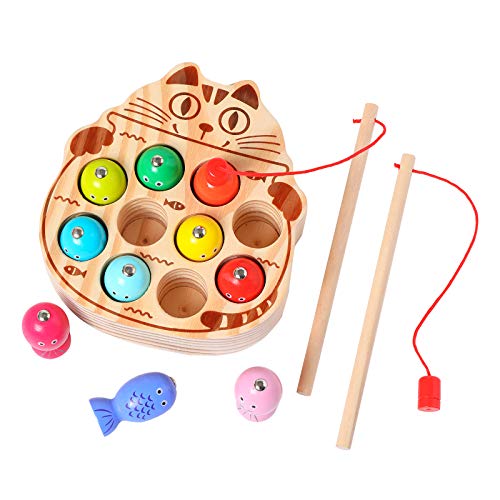
kidus Montessori Magnetic Wooden Fishing Game for Toddlers 1…
Early preschool toy supporting cognitive leaps in symbolic thinking, creativity, and social development.

Iabedi Busy Board, Montessori Toy for 1-3 Years Old, Wooden …
Early preschool toy supporting cognitive leaps in symbolic thinking, creativity, and social development.

Yetonamr Montessori Toys for 1 2 3 Years Old Boys Girls Birt…
Problem-solving toy developing logical thinking and persistence while building confidence through achievable challenges.

Wolmund Toy Learning Play Cell Phone with 8 Functions and Da…
Early preschool toy supporting cognitive leaps in symbolic thinking, creativity, and social development.

JOYIN Learning Toys Play Food Set for Toddlers, Cutting Food…
Imaginative play toy supporting symbolic thinking development and early social-emotional skills through role play.

Kids Phone with 10,000+ Educational Content, Rechargeable To…
Imaginative play toy supporting symbolic thinking development and early social-emotional skills through role play.

Cutting Play Food Toys For Kids, Pretend Play Kitchen Access…
Imaginative play toy supporting symbolic thinking development and early social-emotional skills through role play.

UNiPLAY Basic Soft Building Blocks — Cognitive Development T…
Early preschool toy supporting cognitive leaps in symbolic thinking, creativity, and social development.
Preschoolers (3-5 years)
Academic readiness and advanced problem-solving through structured play
Developmental Focus Areas
- Pre-academic skills: Key developmental priority for this age group
- Advanced problem solving: Key developmental priority for this age group
- Emotional regulation: Key developmental priority for this age group
- Peer interaction: Key developmental priority for this age group
Advanced Preschool Development (3-5 years)
Pre-academic skills emerge naturally when children are developmentally ready. Focus on building strong foundations:
School Readiness Skills
- Pre-Literacy: Phonemic awareness, letter recognition, print awareness
- Pre-Math: Number sense, pattern recognition, spatial relationships
- Executive Function: Attention, working memory, flexible thinking
- Social Skills: Cooperation, conflict resolution, friendship building
Cognitive Development Markers
- Conservation Understanding: Quantity remains same despite appearance changes
- Classification Skills: Sorting by multiple attributes simultaneously
- Time Concepts: Understanding sequence, past/present/future
- Causal Reasoning: Understanding cause-and-effect relationships
Montessori Philosophy: Provide concrete experiences before abstract concepts. Children learn best through manipulation of real materials.

Montessori Toys for 3-5 Year Old, Educational Math Manipulat…
Pre-academic toy building school readiness through concrete experiences with letters, numbers, and cognitive skills.

ShyLizard Montessori Learning and Educational Toys Gifts for…
Pre-academic toy building school readiness through concrete experiences with letters, numbers, and cognitive skills.

MOTREE Preschool Learning Toys for Toddlers 2-4, Educational…
Pre-academic toy building school readiness through concrete experiences with letters, numbers, and cognitive skills.

NASHRIO Montessori 24 Themes Busy Book for Toddlers 3-5, Eng…
Pre-academic toy building school readiness through concrete experiences with letters, numbers, and cognitive skills.

TINTECUSA Busy Board Montessori Toys for Toddler, Wooden Sen…
Advanced preschool toy supporting school readiness through integrated learning experiences and skill development.

Learning Resources Mini Letter Scoops,Preschool Learning Toy…
Pre-academic toy building school readiness through concrete experiences with letters, numbers, and cognitive skills.

Learning Resources Mini ABC Pops – Alphabet Learning Toys, A…
Pre-academic toy building school readiness through concrete experiences with letters, numbers, and cognitive skills.
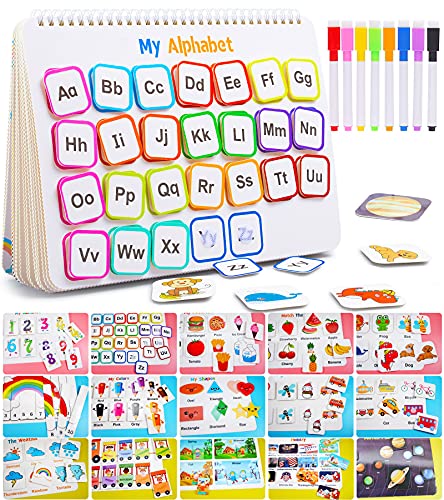
Huijing Montessori Preschool Learning Activities Busy Book -…
Pre-academic toy building school readiness through concrete experiences with letters, numbers, and cognitive skills.

LeapFrog Prep for Preschool Activity Book
Advanced preschool toy supporting school readiness through integrated learning experiences and skill development.

Preschool Learning Activities Kindergarten Workbooks, Toddle…
Pre-academic toy building school readiness through concrete experiences with letters, numbers, and cognitive skills.
School Age (5-8 years)
Academic skill reinforcement and advanced STEM exploration
Developmental Focus Areas
- Academic skills: Key developmental priority for this age group
- STEM learning: Key developmental priority for this age group
- Complex problem solving: Key developmental priority for this age group
- Collaborative play: Key developmental priority for this age group
Early Elementary Development (5-8 years)
Formal learning begins, but hands-on exploration remains crucial. Toys should bridge concrete and abstract thinking:
Academic Skill Integration
- Reading Fluency: Transition from learning to read to reading to learn
- Mathematical Reasoning: Understanding place value, operations, problem-solving
- Scientific Thinking: Hypothesis formation, observation skills, data collection
- Historical Awareness: Understanding time, sequence, cause and effect
Social Complexity
- Peer Relationships: Friendship becomes increasingly important
- Rule-Based Games: Understanding and following complex rules
- Team Cooperation: Working together toward common goals
- Moral Development: Understanding fairness and justice
STEM Integration: This age is ideal for introducing systematic scientific thinking through hands-on experiments and engineering challenges.

Curious 2 Learn Building Blocks 300ct – STEM Toys for Creati…
STEM learning toy bridging concrete and abstract thinking while developing scientific reasoning and problem-solving skills.

Learning Resources STEM Explorers -Ages 5+, Magnet Movers, C…
STEM learning toy bridging concrete and abstract thinking while developing scientific reasoning and problem-solving skills.
Key Features:
- 39-piece set; including magnetic wand, magnetic accessories, and activ
- Ideal for ages 5+

Engino STEM Toys, Physics Laws: Inertia, Friction & Circular…
STEM learning toy bridging concrete and abstract thinking while developing scientific reasoning and problem-solving skills.
Key Features:
- KIDS EXPLORE the laws of motion and discover how they impact our daily

Klever Kits 36-in-1 Motor Robotic Kits, Make Your Own Kids C…
STEM learning toy bridging concrete and abstract thinking while developing scientific reasoning and problem-solving skills.

edxeducation Math Cubes | Set of 100 Counting Blocks with 5 …
Mathematical reasoning toy supporting number sense, operations understanding, and problem-solving through manipulative experiences.

Learning Resources MathLink Cubes Elementary Math Activity S…
Mathematical reasoning toy supporting number sense, operations understanding, and problem-solving through manipulative experiences.

Torlam Fraction Manipulatives for Elementary School, Fractio…
Mathematical reasoning toy supporting number sense, operations understanding, and problem-solving through manipulative experiences.
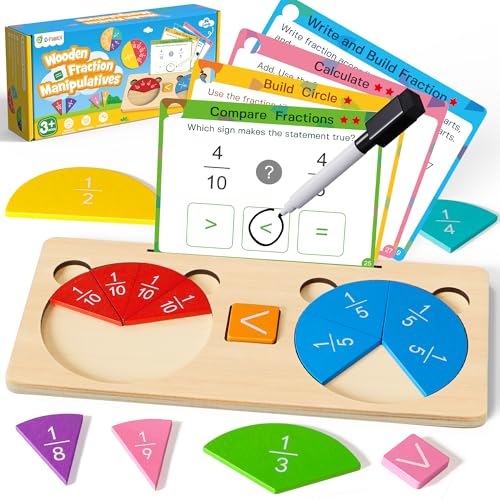
D-FantiX Wooden Fraction Educational Puzzle, Wood Fraction T…
Mathematical reasoning toy supporting number sense, operations understanding, and problem-solving through manipulative experiences.

SYNARRY Wooden Ten-Frame Set Math Manipulatives for Kinderga…
Mathematical reasoning toy supporting number sense, operations understanding, and problem-solving through manipulative experiences.

UNGLINGA 150 Experiments Science Kits for Kids, S.T.E.M Educ…
STEM learning toy bridging concrete and abstract thinking while developing scientific reasoning and problem-solving skills.
Tweens (8-12 years)
Advanced STEM projects and complex skill development
Developmental Focus Areas
- Advanced STEM: Key developmental priority for this age group
- Independent learning: Key developmental priority for this age group
- Complex projects: Key developmental priority for this age group
- Real-world application: Key developmental priority for this age group
Late Elementary Development (8-12 years)
Independent learning and complex thinking emerge. Toys should challenge while maintaining engagement:
Advanced Cognitive Abilities
- Abstract Thinking: Beginning to think hypothetically and systematically
- Metacognition: Thinking about thinking, learning strategies
- Complex Problem Solving: Multi-step problems with multiple solutions
- Independent Research: Seeking information and synthesizing knowledge
Identity and Interest Development
- Specialized Interests: Deep exploration of particular subjects
- Skill Mastery: Persistence through challenges to achieve goals
- Peer Influence: Friends’ opinions become increasingly important
- Independence Seeking: Desire for autonomy and self-direction
Future Readiness: Focus on critical thinking, creativity, collaboration, and communication skills for 21st-century success.

Poraxy STEM Kits for Kids 8-10, STEM Toys for Boys Age 8-12,…
Tween development toy supporting independent learning, specialized interests, and preparation for adolescent challenges.
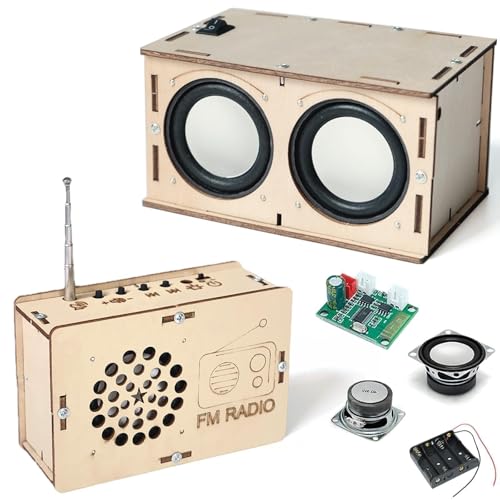
STEM Toys for Ages 8-13 Stocking Stuffers Teen Birthday Gift…
Engineering/robotics toy developing systems thinking, programming logic, and 21st-century technical skills.

ELEGOO UNO R3 Smart Robot Car Kit V4 for Arduino Robotics fo…
Engineering/robotics toy developing systems thinking, programming logic, and 21st-century technical skills.
Klever Kits 36-in-1 Motor Robotic Kits, Make Your Own Kids C…
Tween development toy supporting independent learning, specialized interests, and preparation for adolescent challenges.

Makeblock mBot Robot Kit, Robotics for Kids Ages 8-12 Learn …
Engineering/robotics toy developing systems thinking, programming logic, and 21st-century technical skills.

Sillbird Robot Building Kit with Remote Control STEM Gifts f…
Tween development toy supporting independent learning, specialized interests, and preparation for adolescent challenges.

Makeblock mBot2 Coding Robot for Kids, AI Learning Support S…
Engineering/robotics toy developing systems thinking, programming logic, and 21st-century technical skills.
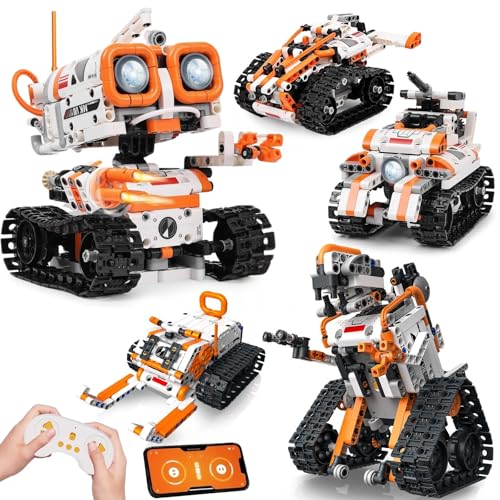
PIVONAX STEM Robotics Kit for Kids Ages 8-12 8-14+, 5-in-1 R…
Engineering/robotics toy developing systems thinking, programming logic, and 21st-century technical skills.

Thames & Kosmos Chem C3000 (V 2.0) Chemistry Set | Science K…
Tween development toy supporting independent learning, specialized interests, and preparation for adolescent challenges.
Key Features:
- The ultimate advanced chemistry set for the serious scientist!

Thames & Kosmos Chem C1000 Chemistry Set | Science Kit with …
Tween development toy supporting independent learning, specialized interests, and preparation for adolescent challenges.
Implementation Guide: Using Educational Toys Effectively
Creating a Prepared Environment
Montessori Environment Principles
- Order and Beauty: Arrange toys thoughtfully on accessible shelves
- Child-Sized Furniture: Everything within child’s reach promotes independence
- Limited Choices: Too many options overwhelm; rotate toys regularly
- Natural Light: Bright, pleasant environment supports concentration
- Real Materials: Avoid plastic when possible; choose wood, metal, glass
Toy Rotation Strategy
- Active Set: 8-12 toys available at any time
- Storage Set: Remaining toys stored out of sight
- Rotation Schedule: Weekly or bi-weekly depending on child’s interest
- Interest-Based: Rotate based on observed play patterns
- Seasonal Relevance: Include toys that connect to current interests or seasons
Supporting Child-Led Learning
Following the Child’s Lead
- Observe First: Watch how child naturally interacts with materials
- Minimal Intervention: Allow struggle and problem-solving
- Extend Interest: Add related materials when child shows deep engagement
- Document Learning: Photo or video meaningful moments and discoveries
When to Step In
- Safety Concerns: Always prioritize physical safety
- Proper Use Modeling: Demonstrate respectful handling of materials
- Encouragement: Support persistence through challenges
- Extension: Suggest new ways to explore when interest wanes
Red Flags: Toys to Avoid and Why
Developmentally Inappropriate Features
Electronic Toys with Excessive Stimulation
- Problem: Flashing lights and loud sounds overwhelm developing nervous systems
- Impact: Reduced attention span, difficulty with self-regulation
- Alternative: Simple musical instruments, nature sounds
Toys That Do Everything
- Problem: Child becomes passive observer rather than active participant
- Impact: Reduced creativity, problem-solving, and independent thinking
- Alternative: Open-ended materials that respond to child’s actions
Age-Inappropriate Complexity
- Problem: Frustration from toys too advanced or boredom from toys too simple
- Impact: Reduced self-confidence, avoidance of challenges
- Alternative: Carefully observe child’s current abilities and interests
Quality and Safety Red Flags
- Strong Chemical Odors: Indicates toxic materials or finishes
- Sharp Edges: Poor manufacturing quality poses injury risk
- Small Parts: Choking hazards for children under 3 years
- Easily Breakable: Frustrating and potentially dangerous
- Gender Stereotyping: Limits exploration and development
Budget-Conscious Educational Toy Strategies
High-Value Investment Priorities
Multi-Age Appeal Toys
- Building Blocks: Grow with child from stacking to complex construction
- Art Supplies: Crayons, paper, playdough serve multiple developmental stages
- Musical Instruments: Simple instruments provide years of exploration
- Open-Ended Materials: Scarves, balls, containers have endless possibilities
DIY Educational Materials
- Sensory Bottles: Rice, beans, water with glitter for visual tracking
- Treasure Baskets: Collection of safe household items for exploration
- Color Matching: Colored paper squares, pompoms, or fabric scraps
- Nature Collection: Pinecones, shells, rocks for sorting and exploration
Community Resources
- Toy Libraries: Borrow toys like books, reducing cost and clutter
- Parent Swaps: Trade toys with other families for variety
- Library Programs: Many libraries offer educational toy lending
- Community Centers: Playgroups and educational programs
Special Considerations for Different Learning Styles
Supporting Diverse Learners
Visual Learners
- Puzzles and Pattern Games: Support visual processing skills
- Art Materials: Drawing, painting, sculpting express understanding
- Books with Pictures: Visual storytelling supports comprehension
- Building Materials: Spatial relationships through construction
Auditory Learners
- Musical Instruments: Rhythm, melody, and sound exploration
- Audiobooks: Language development through listening
- Sound-Making Toys: Cause-and-effect through auditory feedback
- Rhyming Games: Phonemic awareness development
Kinesthetic Learners
- Manipulative Materials: Hands-on exploration of concepts
- Movement Games: Learning through physical activity
- Sensory Materials: Tactile experiences support understanding
- Real Tools: Practical life activities engage whole body
Technology Integration: When and How
Screen Time Guidelines
American Academy of Pediatrics Recommendations
- Under 18 months: No screens except video chatting
- 18-24 months: High-quality programming with adult interaction
- 2-5 years: Maximum 1 hour daily of high-quality content
- 6+ years: Consistent limits with priority for sleep, physical activity
Educational Technology Criteria
- Active Participation: Child controls pace and direction
- Meaningful Content: Connects to child’s interests and experiences
- Social Interaction: Encourages discussion and shared exploration
- Transfer Potential: Skills learned apply to real-world situations
Final Recommendations: Building Your Child’s Learning Environment
Age-Specific Starter Sets
Infant Essentials (0-12 months)
Must-Have Categories: Sensory exploration, motor development, visual stimulation
Budget Priority: $100-200 for foundational sensory materials
Key Investment: High-quality wooden rattles, soft books, mirror
Toddler Foundations (12-24 months)
Must-Have Categories: Language development, practical life, gross motor
Budget Priority: $150-300 for independence-building materials
Key Investment: Shape sorter, push toys, practical life tools
Preschool Expansion (2-5 years)
Must-Have Categories: Dramatic play, art supplies, puzzles, building materials
Budget Priority: $200-400 for creative and cognitive development
Key Investment: Open-ended building materials, art supplies, dress-up clothes
School Age Enhancement (5-12 years)
Must-Have Categories: STEM materials, strategy games, specialized interests
Budget Priority: $250-500 for academic support and interest development
Key Investment: Science kits, strategy games, specialized hobby materials
Remember: The best educational toy is one that matches your child’s current developmental stage, interests, and learning style. Observe your child’s natural play patterns, follow their curiosity, and choose toys that challenge without frustrating. Quality over quantity always wins—a few well-chosen, developmentally appropriate toys provide more value than a room full of random playthings.
Your investment in educational toys is ultimately an investment in your child’s future. Choose materials that respect their intelligence, support their natural development, and nurture their innate love of learning. The foundation you build now will support lifelong curiosity, confidence, and success.